

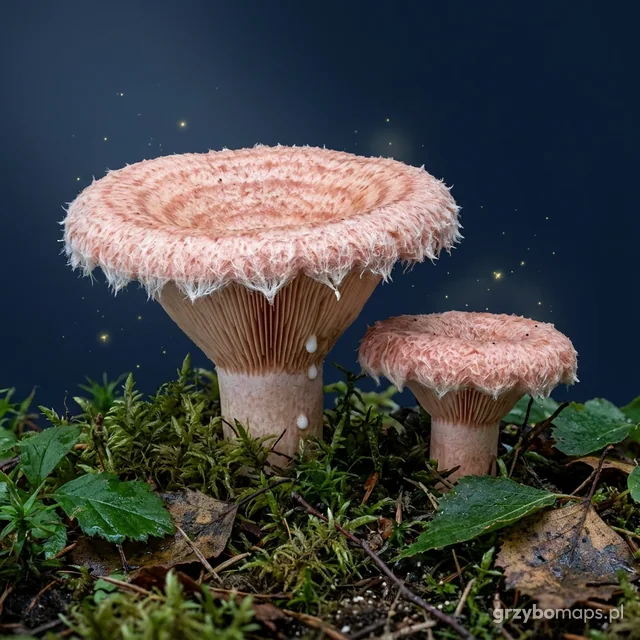
Woolly milkcap
Lactarius torminosus
Polish folk names: wełnianka
How to recognise
- Cap margin hairy, rolled inwards
- Milk white, does not change colour, burning
- Smells of turpentine
Up close
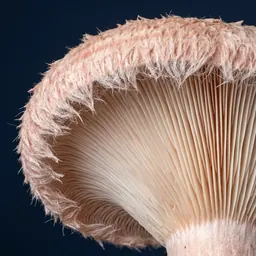 blaszki
Underside of the cap
Gills crowded, whitish to pinkish; cap margin hairy, inrolled.
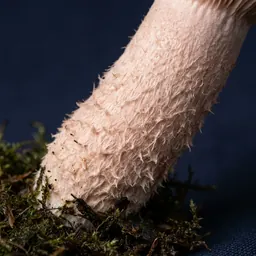 pinkish
Stem
Stem short, pinkish, brittle, hollow with age; no ring.
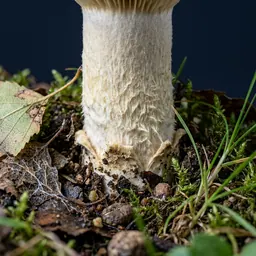 under birch
Base of the stem
Base without a bulb and without a volva; grows under birches.
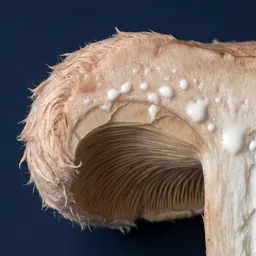 white milk
Cross-section
When cut, a white, acrid milk that does not change colour (orange in the saffron milk cap).
The close-ups are AI illustrations. Any doubt is settled by a mycologist or herbalist, not by a photo.
Where and when it grows
Under birches. From July to November.
JanFebMarAprMayJunJulAugSepOctNovDec
Most often under: brzoza.
Beware of the lookalike
Saffron milk cap. The saffron milk cap has carrot-coloured milk that turns green. The woolly milkcap has white, burning milk and hairs on the margin.
Feature-by-feature comparison: Saffron milk cap or Woolly milkcap?
Where in Poland
Most records in the GBIF database: wielkopolskie, zachodniopomorskie, lubuskie, małopolskie, pomorskie.
Frequently asked questions
Is woolly milkcap edible?
Nie. This mushroom is poisonous. Raw: nausea, vomiting, diarrhoea.
When does woolly milkcap grow?
July – November. Under birches. From July to November.
Woolly milkcap: what is it easily confused with?
Most often with the species Saffron milk cap. The saffron milk cap has carrot-coloured milk that turns green. The woolly milkcap has white, burning milk and hairs on the margin.
Where in Poland does woolly milkcap grow?
Most records (GBIF): wielkopolskie, zachodniopomorskie, lubuskie, małopolskie, pomorskie. Most often under: brzoza.