

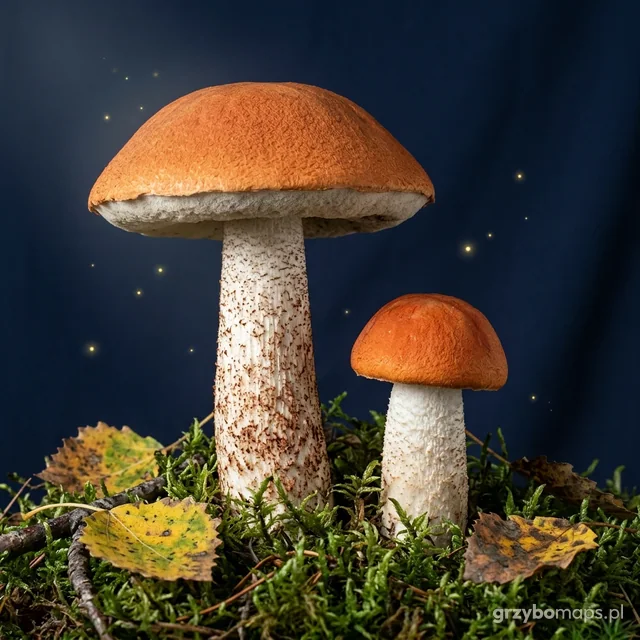
Orange bolete
Leccinum aurantiacum
Polish folk names: czerwony kozak, czerwoniak
How to recognise
- Orange-red cap
- Scales on the stem whitish, later reddish-brown, never black
- Flesh darkens when cut, turns black in the pot
Up close
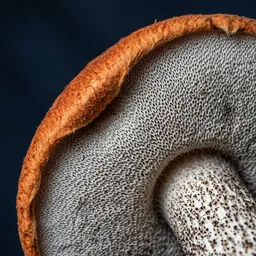 rurki
Underside of the cap
Fine, whitish to greyish pores instead of gills; the cap margin has hanging skin.
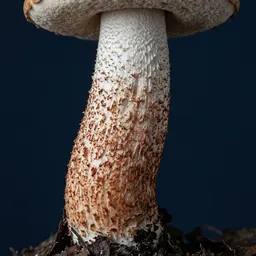 little scales
Stem
Stem whitish, covered with little scales, first whitish, then rusty red.
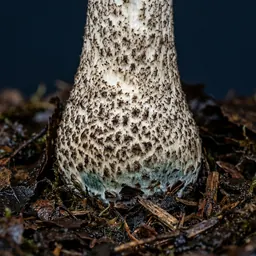 bez pochwy
Base of the stem
Base slightly thickened, often green-bluish inside, without a volva.
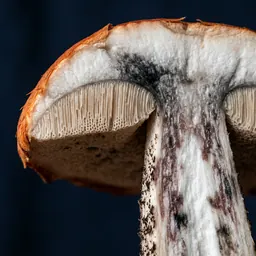 ciemnieje
Cross-section
Flesh white, darkening when cut to wine-grey and grey-black.
The close-ups are AI illustrations. Any doubt is settled by a mycologist or herbalist, not by a photo.
Where and when it grows
Woods and thickets, mainly under aspen, less often under other poplars. From June to October.
JanFebMarAprMayJunJulAugSepOctNovDec
Most often under: aspen, less often poplar.
Beware of the lookalike
No dangerous ones. There are no poisonous ones among the Leccinum boletes. Just make sure the fruiting body is fresh, not wormy and well cooked.
Feature-by-feature comparison: Orange bolete or Orange birch bolete?
In the kitchen
It darkens in the pot, but tastes great stewed with onion. It is also suitable for drying.
Where in Poland
Most records in the GBIF database: łódzkie, wielkopolskie, lubelskie, dolnośląskie, małopolskie.
Recipes with this mushroom
Frequently asked questions
Is orange bolete edible?
Yes, orange bolete is an edible mushroom.
When does orange bolete grow?
June – October. Woods and thickets, mainly under aspen, less often under other poplars. From June to October.
Orange bolete: what is it easily confused with?
Most often with the species No dangerous ones. There are no poisonous ones among the Leccinum boletes. Just make sure the fruiting body is fresh, not wormy and well cooked.
Where in Poland does orange bolete grow?
Most records (GBIF): łódzkie, wielkopolskie, lubelskie, dolnośląskie, małopolskie. Most often under: aspen, less often poplar.