

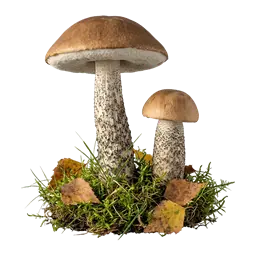
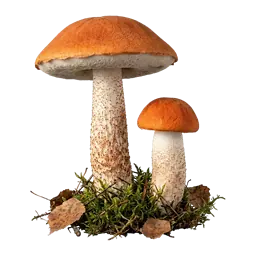
The forager's kitchen
Birch bolete recipes
How to cook birch boletes and orange birch boletes
We pick birch boletes from June to October: the common one under birches, and the orange one mostly under aspens. We eat them only well fried or cooked, never raw, and cut off the tough, fibrous stems of older mushrooms. Their flesh darkens when cut and in the pot, sometimes almost to black, and that is perfectly normal.
Recipes
 Penny bun soup (boletus soup)50 min
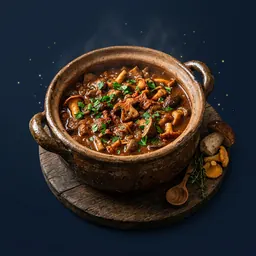 Wild mushroom goulash45 min
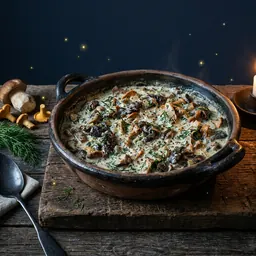 Mushrooms stewed in sour cream (with dotted-stem boletes)40 min
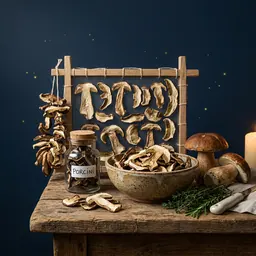 Drying mushrooms480 min
 Potato pancakes with mushroom sauce60 min
 Mushrooms fried with onion35 min
 Mushroom solyanka with pickled cucumbers45 min
 Zalewajka with wild mushrooms and cream cheese45 min
 Salad with pickled birch boletes and egg30 min
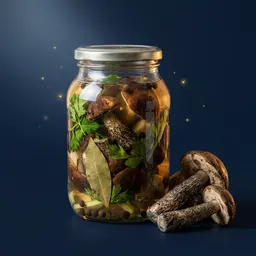 Birch boletes and porcini pickled with parsley70 min
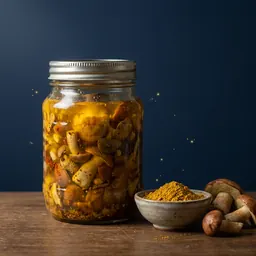 Mushrooms pickled with curry50 min
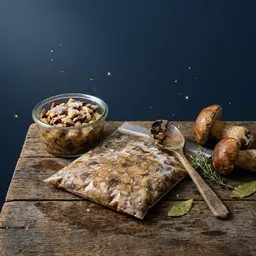 Mushrooms stewed in butter for freezing60 min
 Light, smooth mushroom sauce45 min
 Mushroom and horseradish spread for bread35 min
 Potato dumplings (pyzy) with bay bolete sauce75 min
 Roast pork neck with wild mushroom sauce110 min
 Gnocchi in pumpkin sauce with wild mushrooms35 min
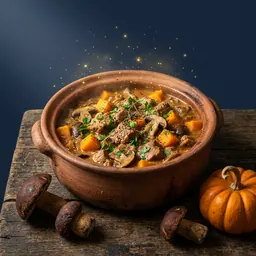 Pork shoulder stew with pumpkin and wild mushrooms110 min
 Potato bake with wild mushrooms90 min
 Stuffed cabbage rolls with mushrooms and potatoes baked in cream100 min
Frequently asked questions
Why do birch boletes turn black?
Their flesh contains compounds that darken in the air and during cooking. The mushroom is still edible and tastes the same.
Do birch boletes need boiling before frying?
No, but they must be cooked thoroughly: fry or stew them for at least fifteen to twenty minutes.