

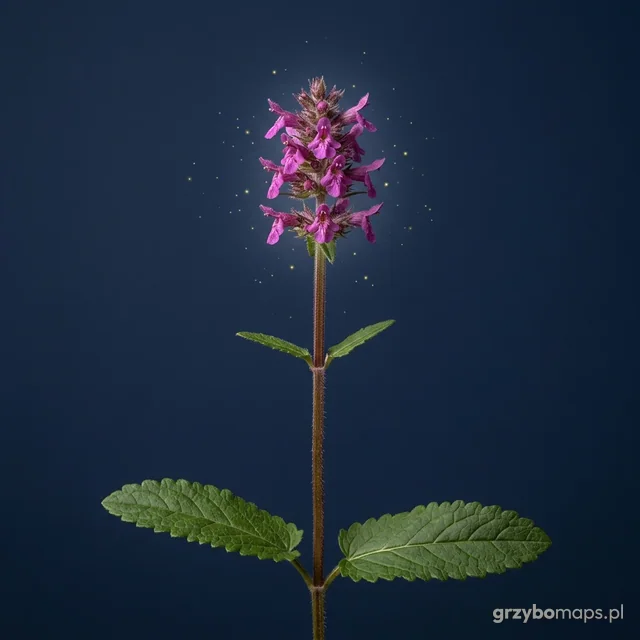
Betony
Betonica officinalis L. (syn. Stachys officinalis (L.) Trevis.)
Polish folk names: bukwica lekarska, betonika
Traditional use
In folk use an infusion of the herb was used for diarrhoea, catarrh of the stomach and intestines, and for infections of the upper respiratory tract. In old herbals it was valued as a remedy “for the nerves” and headache.
What it looks like
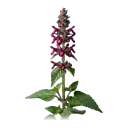
Perennial of meadows and glades up to 60 cm tall, with a basal rosette of oblong, crenate leaves on long stalks. Stem square, with 2–3 pairs of leaves. Purple lipped flowers gathered in a dense, cylindrical spike.
Harvest
Gathered: herb (aerial parts), rhizome.
When: June – August.
Form: infusion.
Lookalikes
- Hedge woundwort: larger, foul-smelling, dark purple flowers in loose whorls
- Hyssop and oregano: smell aromatic; betony has an inflorescence packed into a spike on a long, almost leafless stem
The information is educational and describes traditional use according to EMA/HMPC monographs (the European Medicines Agency and its Committee on Herbal Medicinal Products).It does not replace the advice of a doctor or pharmacist. Never eat a plant you are not 100% sure you recognise.