

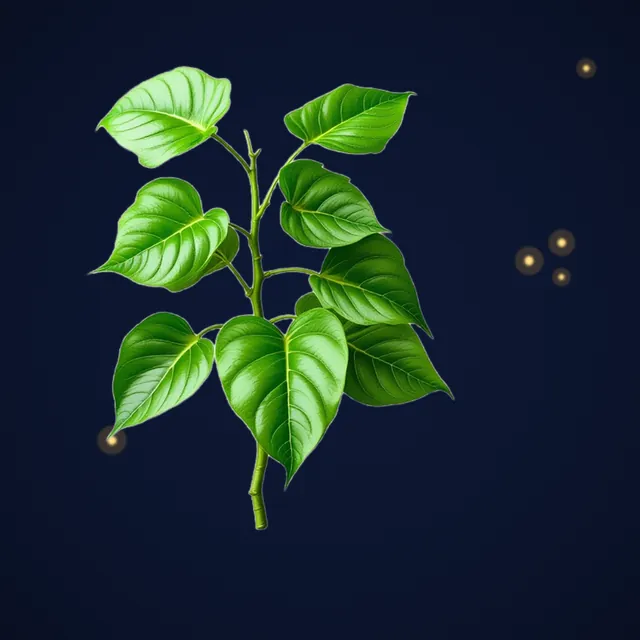
Betel pepper
Piper betle L.
Polish folk names: liść betelu, paan, sirih
Traditional use
In South Asia and the Pacific, crushed seed of the areca palm with lime is wrapped in a betel pepper leaf: this is the "betel quid", paan, chewed by hundreds of millions of people and already described by Garcia de Orta in the 16th century. The leaf itself is aromatic and mildly stimulating. In the recipes of old books we show betel only as a historical description. We describe the effects and risks of the stimulant in the Plants of Power section.
What it looks like
An evergreen climber that climbs supports with clinging rootlets. Shoots with thickened nodes. Leaves glossy, heart-shaped, with 5–7 arching veins and a drawn-out tip. The inflorescences are narrow, hanging spikes.
Harvest
Gathered: leaves.
Form: historical description (no recipe).
Lookalikes
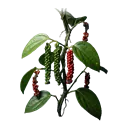
- black pepper – a similar climber, but grown for its fruits
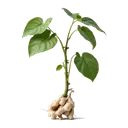
- kava – a shrub with similar heart-shaped leaves, the root is used
The information is educational and describes traditional use according to EMA/HMPC monographs (the European Medicines Agency and its Committee on Herbal Medicinal Products).It does not replace the advice of a doctor or pharmacist. Never eat a plant you are not 100% sure you recognise.