

The forager's kitchen
Slippery jack recipes
How to peel and cook slippery jacks
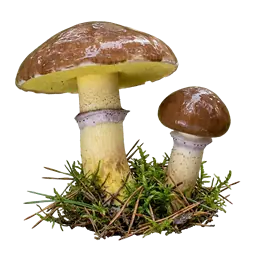
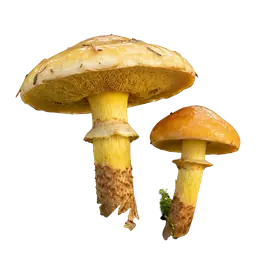
Slippery jacks grow from July to October under pines, and the larch bolete under larches. Before cooking we peel the slimy skin off the cap, because it is rubbery and gives some people diarrhoea. Young, firm ones taste best: fried, stewed or pickled.
Recipes
 Scrambled eggs with chanterelles20 min
 Wild mushroom goulash45 min
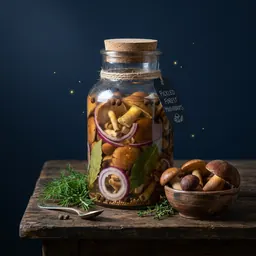 Pickled slippery jacks and bay boletes60 min
 Tartar sauce with pickled mushrooms15 min
 Pancakes with mushrooms45 min
 Mushrooms fried with onion35 min
 Soup from fresh slippery jacks60 min
 Ramen with dried slippery jacks and wood ear180 min
 Cocktail sticks with cheese and pickled mushrooms15 min
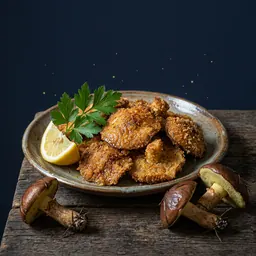 Breaded fried slippery jacks25 min
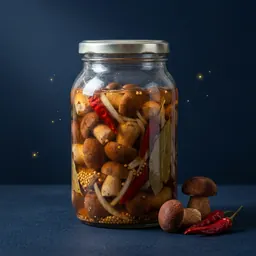 Pickled mushrooms with chili (sweet inferno)40 min
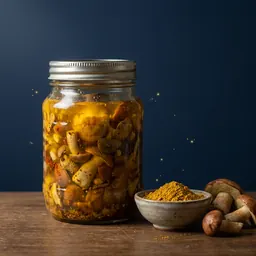 Mushrooms pickled with curry50 min
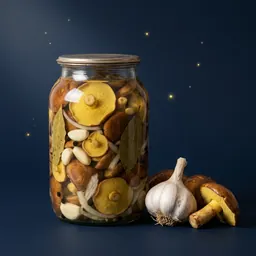 Slippery jacks pickled with garlic50 min
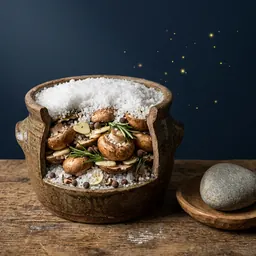 Salted slippery jacks and bay boletes60 min
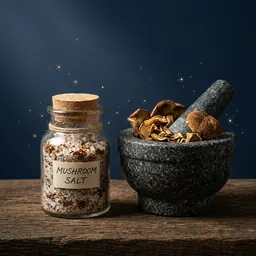 Mushroom salt from dried mushrooms15 min
 Bay bolete sauce with cream35 min
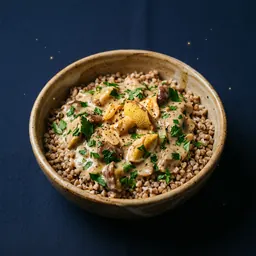 Slippery jack sauce with garlic and parsley40 min
 Roast pork neck with wild mushroom sauce110 min
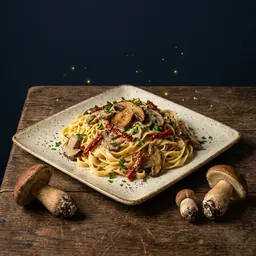 Pasta with bay boletes and sun-dried tomatoes40 min
 Pork shoulder stew with pumpkin and wild mushrooms110 min
 Stuffed cabbage rolls with mushrooms and potatoes baked in cream100 min
Frequently asked questions
How to peel slippery jacks?
Lift the skin with a small knife at the edge of the cap and pull it towards the centre. It comes off most easily when the mushrooms are dry, so peel them before washing.
Do slippery jacks need boiling before frying?
Peeled young slippery jacks can go straight into the pan to fry or stew for about twenty minutes. For pickling we boil them for a few minutes in boiling water.
Slippery jack · Larch bolete · Weeping bolete · All mushroom recipes