

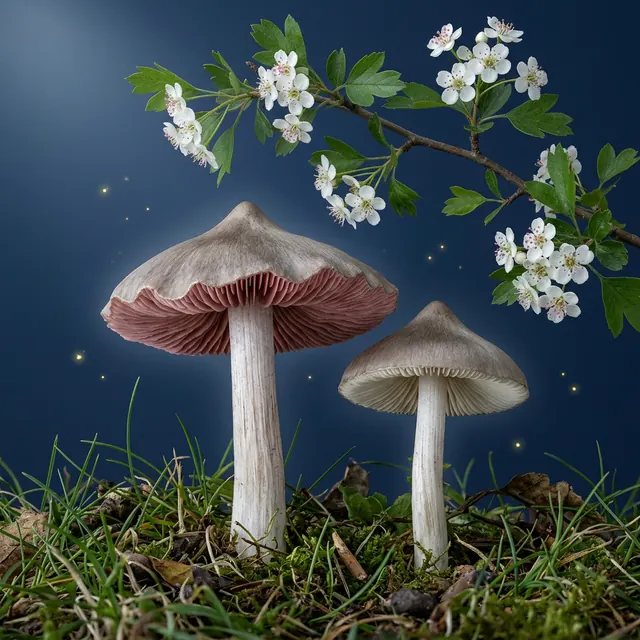
Entoloma clypeatum
Entoloma clypeatum
Polish folk names: wieruszka tarczowata
How to recognise
- Cap 6–12 cm, spreading with a conical umbo, hygrophanous: dark brown when wet, whitish and silky when dry.
- Gills broad, notched where they join the stem; white when young, then pink, brown-red in old specimens.
- Stem 8–13 cm, up to 1 cm thick, whitish, streaked, with grey-brown fibrils.
- Flesh white, does not change colour; smell rancid or mealy.
Up close
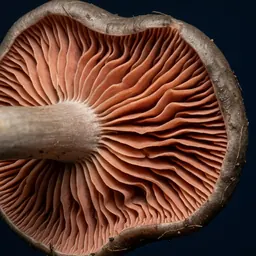 pink gills
Underside of the cap
Gills broad, sinuately attached, white when young, then pink, finally brownish-red.
 fibrils
Stem
Stem whitish, striate, covered with greyish-brown fibrils. No ring.
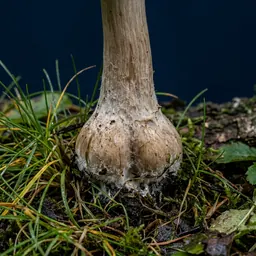 under rosaceous trees
Base of the stem
Base club-shaped, without a volva; the mushroom grows under hawthorn, apple, plum or pear.
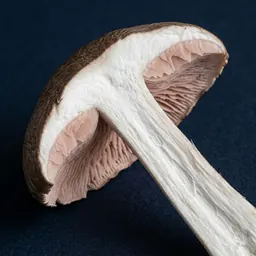 white flesh
Cross-section
Flesh white, does not change colour, smells of flour or rancid.
The close-ups are AI illustrations. Any doubt is settled by a mycologist or herbalist, not by a photo.
Where and when it grows
On the ground under trees of the rose family: hawthorns, apple trees, plums, pears; orchards, gardens, parks, roadsides. Mainly in May and June, sometimes in autumn; common.
JanFebMarAprMayJunJulAugSepOctNovDec
Most often under: hawthorn, apple, plum, pear (orchards, gardens, thickets).
Beware of the lookalike
Livid pinkgill. Dzwonkówka trująca is more massive, paler and grows in summer and autumn in deciduous forests. From a distance the two look alike, so do not pick any dzwonkówka unless you are certain.
In the kitchen
Only after proper heat treatment: boil for at least 15 minutes, pour away the water, then stew or fry. Never raw.
Good to know
Edible only after thorough cooking. It is easily mistaken for poisonous Entoloma species (dzwonkówki), so only very experienced foragers should collect it.
Frequently asked questions
Is entoloma clypeatum edible?
Warunkowo. Edible only after thorough cooking. It is easily mistaken for poisonous Entoloma species (dzwonkówki), so only very experienced foragers should collect it.
When does entoloma clypeatum grow?
May – June. On the ground under trees of the rose family: hawthorns, apple trees, plums, pears; orchards, gardens, parks, roadsides. Mainly in May and June, sometimes in autumn; common.
Entoloma clypeatum: what is it easily confused with?
Most often with the species Livid pinkgill. Dzwonkówka trująca is more massive, paler and grows in summer and autumn in deciduous forests. From a distance the two look alike, so do not pick any dzwonkówka unless you are certain.