

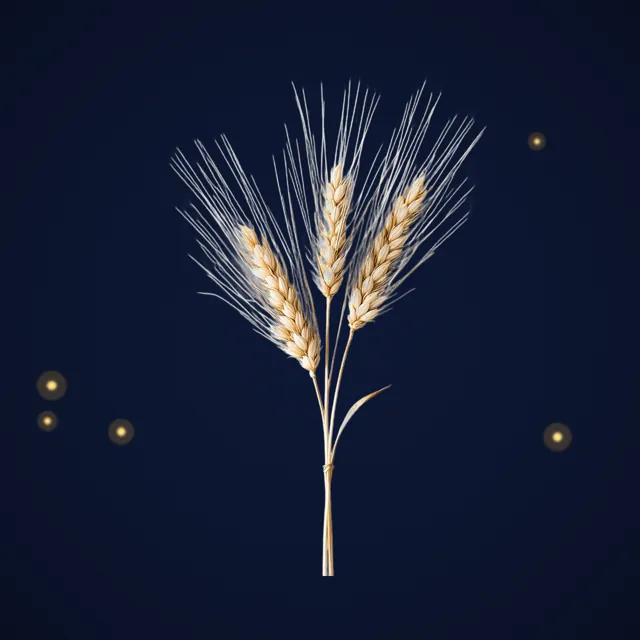
Common rye
Secale cereale L.
Polish folk names: żyto, reż, rżysko
Traditional use
Rye is the bread grain of northern and central Europe. Wholemeal rye bread is high in fibre, and the European Food Safety Authority has confirmed that rye fibre supports normal bowel function. [TRADITION] In Finnish, Russian and Polish folk medicine, rye bread was applied to boils and wounds, and kvass was made from sourdough. Bread poultices have no justification today: use sterile dressings on wounds.
What it looks like
An annual grass 1–2 m tall with blue-green stalks. Ear long, narrow, slightly drooping, with long awns. Grain narrow, grey-greenish, with a groove. Flowers in May and June and sheds pollen so abundantly that a haze hangs over the field.
Harvest
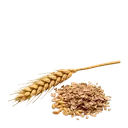
Gathered: grain, bran, rye bread.
When: July – August.
Form: food, bread poultice (tradition), kwas chlebowy.
Lookalikes
The information is educational and describes traditional use according to EMA/HMPC monographs (the European Medicines Agency and its Committee on Herbal Medicinal Products).It does not replace the advice of a doctor or pharmacist. Never eat a plant you are not 100% sure you recognise.