

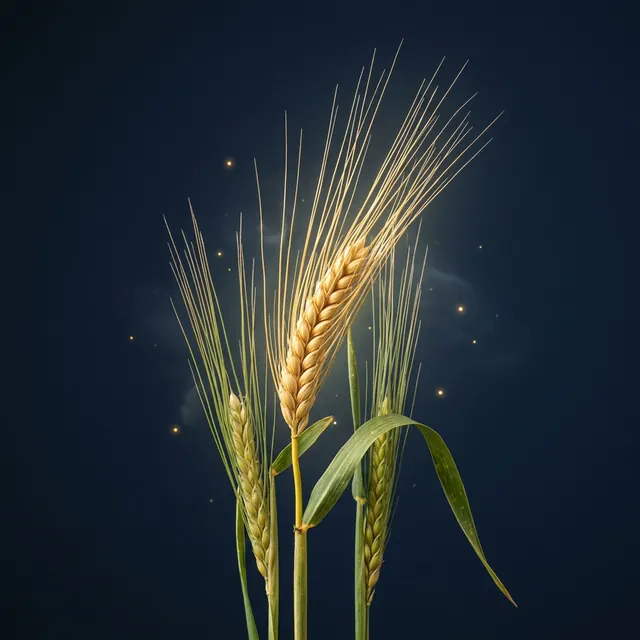
Barley
Hordeum vulgare L.
Polish folk names: jęczmień, pęczak (kasza), jęczmień wielorzędowy
Traditional use
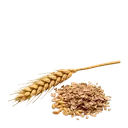
One of the oldest cereals: grain, groats (pot and pearl barley), malt for beer and roasted grain for grain coffee. In old books a decoction of the grain was recommended for the sick and weakened as a gentle, nourishing drink. Studies show that barley grain contains beta-glucans (soluble fibre): eating barley products for weeks lowers cholesterol and eases the rise in blood sugar after a meal. It is food, not a medicine.
What it looks like
Annual cultivated grass up to about 1 m. Leaves flat, with auricles at the base of the blade. Spike many-rowed (4- or 6-rowed), with very long, stiff awns, green when young, golden and drooping when ripe. Flowers in June and July. Grains usually fused to the husks.
Harvest
Gathered: grain, malt, groats.
When: July – August.
Form: decoction, groats/kitchen, grain coffee.
Lookalikes
- wall barley (wild, by roadsides) – small, not suitable for eating
- rye infected with ergot – black, horn-like sclerotia in the ear; strongly poisonous
- wheat – the ear usually has no long awns or shorter ones, and also contains gluten
The information is educational and describes traditional use according to EMA/HMPC monographs (the European Medicines Agency and its Committee on Herbal Medicinal Products).It does not replace the advice of a doctor or pharmacist. Never eat a plant you are not 100% sure you recognise.