


Yuzu
Citrus × junos Siebold ex Tanaka
Polish folk names: juzu, yuja, cytron japoński
Traditional use
[TRADITION] In Korea, yuzu slices are covered with sugar or honey and dissolved in hot water: this is yuja-cha, a home drink for colds and sore throats. In Japan, on the winter solstice people take a bath with whole fruits (yuzu-yu), which is supposed to protect against colds. The fruit is rich in vitamin C and very aromatic. There are no clinical studies of a medicinal effect.
What it looks like
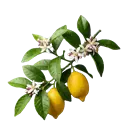
A thorny small tree 2–5 m tall, exceptionally frost-hardy for a citrus. Leaves with a broadly winged stalk. Flowers white, fragrant. Fruit round, slightly flattened, with a thick, bumpy rind, yellow when ripe, full of large seeds.
Harvest
Gathered: fruit (peel and juice).
Form: honey syrup (yuja-cha), bath, spice.
Lookalikes
- lemon – smoother, oval, fewer seeds
- trifoliate orange (Poncirus trifoliata) – a frost-hardy relative with bitter, inedible fruits
The information is educational and describes traditional use according to EMA/HMPC monographs (the European Medicines Agency and its Committee on Herbal Medicinal Products).It does not replace the advice of a doctor or pharmacist. Never eat a plant you are not 100% sure you recognise.