


Oleander
Nerium oleander L.
Polish folk names: oleander, różanecznik śródziemnomorski
Symptoms of poisoning
After eating leaves or flowers, usually after several hours: nausea, vomiting, abdominal pain, diarrhoea, dizziness, and then dangerous heart rhythm disturbances, a slowed pulse and a drop in blood pressure. Poisoning can be fatal, especially in children and pets. The sap may irritate the skin.
What it looks like
Evergreen shrub up to 2–4 m, usually lower in a pot. Leaves narrow, lanceolate, leathery, dark green, with a distinct pale midrib, growing in whorls of three. Flowers large, funnel-shaped, pink, white, red or yellowish, in clusters at the shoot tips, sometimes fragrant. Fruits are long, narrow, pod-like follicles with hairy seeds.
What it is sometimes confused with
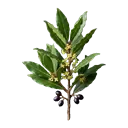
- bay laurel (bay leaf) – similar leathery leaves, but fragrant when crushed; oleander leaves do not smell
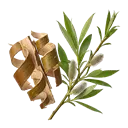
- willow – similarly narrow leaves, but soft and toothed
The information is educational and describes traditional use according to EMA/HMPC monographs (the European Medicines Agency and its Committee on Herbal Medicinal Products).It does not replace the advice of a doctor or pharmacist. Never eat a plant you are not 100% sure you recognise.
Frequently asked questions
Is oleander poisonous to cats?
Yes, and very dangerously. One of the most poisonous houseplants. Cardiac glycosides, dangerous even in a small amount of leaves.
Is oleander poisonous to dogs?
Yes, and very dangerously. The symptoms are similar to those in cats, and their severity depends on how much of the plant was eaten and on the dog's size.
Is oleander poisonous to children?
Yes, and very dangerously. Keep the plant out of the reach of small children.
What should I do if an animal or a child eats a piece of this plant?
Remove the remains from the mouth, give a little water and keep a piece of the plant. For an animal, call a vet; for a child, a doctor. If symptoms are worrying, call 112.