

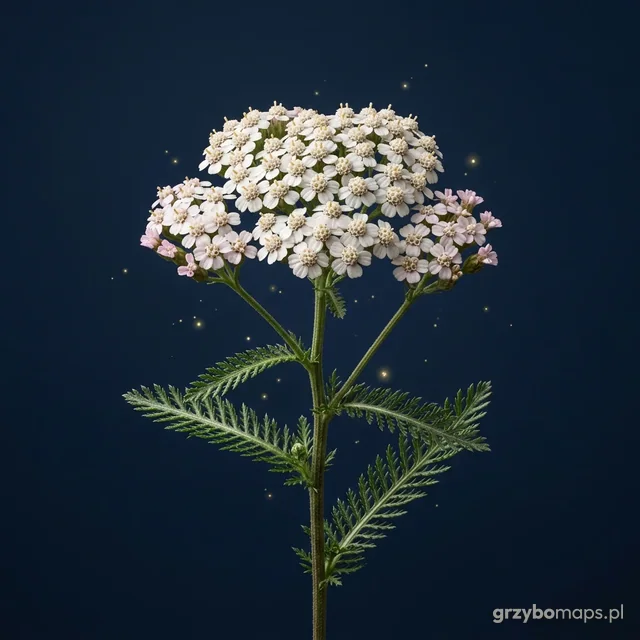
Yarrow
Achillea millefolium L.
Polish folk names: tysiąclistek, krwawnica, złocień krwawnik
Traditional use
Traditionally (EMA/HMPC) for temporary loss of appetite, mild digestive complaints (bloating), minor menstrual cramps and externally on small superficial wounds.
What it looks like
Leaves narrow, multiply pinnately divided, feathery like ‘a thousand leaves’. Small white (sometimes pink) flower heads gathered in a flat, dense corymb.
Harvest
Gathered: herb (aerial parts), inflorescences.
When: June – September.
Form: infusion, compress.
Lookalikes
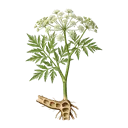
- WATER HEMLOCK (Cicuta virosa), poison hemlock (Conium maculatum) and other white-umbelled members of the carrot family – yarrow has flower heads (not umbels) and feathery 'thousand-leaf' leaves; collect only specimens you recognise for certain
The information is educational and describes traditional use according to EMA/HMPC monographs (the European Medicines Agency and its Committee on Herbal Medicinal Products).It does not replace the advice of a doctor or pharmacist. Never eat a plant you are not 100% sure you recognise.