

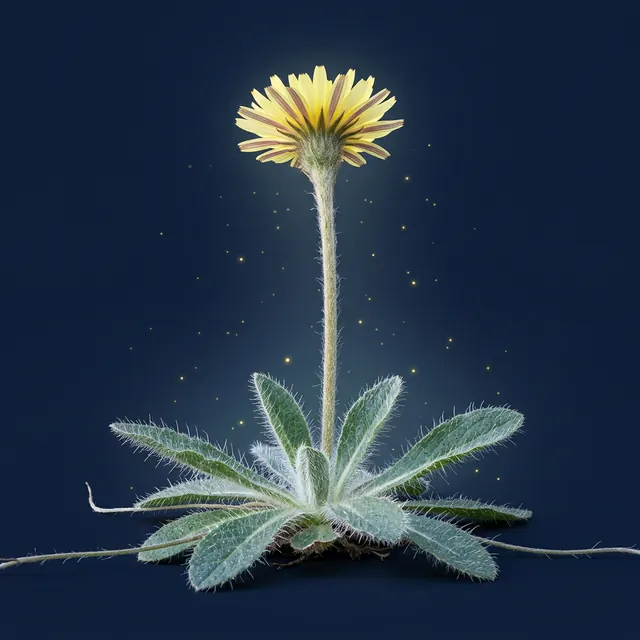
Mouse-ear hawkweed
Pilosella officinarum Vaill.
Polish folk names: jastrzębiec kosmaczek
Traditional use
Traditionally (EMA/HMPC, herb with root) for relieving symptoms of minor urinary tract complaints, as an addition to drinking an adequate amount of fluids to increase the amount of urine. Solely on the basis of long use, without clinical studies.
What it looks like
Low perennial, 5–30 cm tall, found on dry, sandy grassland and roadsides. Basal rosette of oblong, blue-green leaves, densely white beneath with star-shaped hairs and with long, stiff hairs above. Numerous creeping stolons. Leafless, woolly scape bearing a single pale yellow flower head; the outer ray florets have red stripes on the underside.
Harvest
Gathered: herb with root.
When: May – July.
Form: infusion.
Lookalikes
- other hawkweeds - often without runners, with several flower heads on the stem; harmless
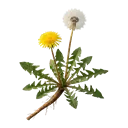
- dandelion - deeply cut, hairless leaves, no white underside; harmless
The information is educational and describes traditional use according to EMA/HMPC monographs (the European Medicines Agency and its Committee on Herbal Medicinal Products).It does not replace the advice of a doctor or pharmacist. Never eat a plant you are not 100% sure you recognise.