


Lily of the valley
Convallaria majalis L.
Polish folk names: konwalia, lanuszka, majówka, lilija majowa
Symptoms of poisoning
Nausea, vomiting, abdominal pain, heart rhythm disorders.
What it looks like
Usually 2 broadly elliptical, glossy leaves with arching veins, clasping each other at their bases. A one-sided raceme of small, white, fragrant, bell-shaped flowers; red berries in autumn.
What it is sometimes confused with
- RAMSONS (leaves in spring) – ramsons smell of garlic when crushed, each leaf grows separately on a stalk; lily of the valley usually has 2 leaves clasping each other with sheaths, no garlic smell
- autumn crocus (leaves in spring)
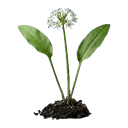
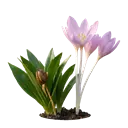
The information is educational and describes traditional use according to EMA/HMPC monographs (the European Medicines Agency and its Committee on Herbal Medicinal Products).It does not replace the advice of a doctor or pharmacist. Never eat a plant you are not 100% sure you recognise.
Frequently asked questions
Is lily of the valley poisonous to cats?
Yes, and very dangerously. Cardiac glycosides disrupt the heart rhythm. The whole plant is poisonous, including the red berries and even the water from the vase. In spring the leaves are mistaken for wild garlic.
Is lily of the valley poisonous to dogs?
Yes, and very dangerously. The symptoms are similar to those in cats, and their severity depends on how much of the plant was eaten and on the dog's size.
Is lily of the valley poisonous to children?
Yes, and very dangerously. Keep the plant out of the reach of small children.
What should I do if an animal or a child eats a piece of this plant?
Remove the remains from the mouth, give a little water and keep a piece of the plant. For an animal, call a vet; for a child, a doctor. If symptoms are worrying, call 112.