

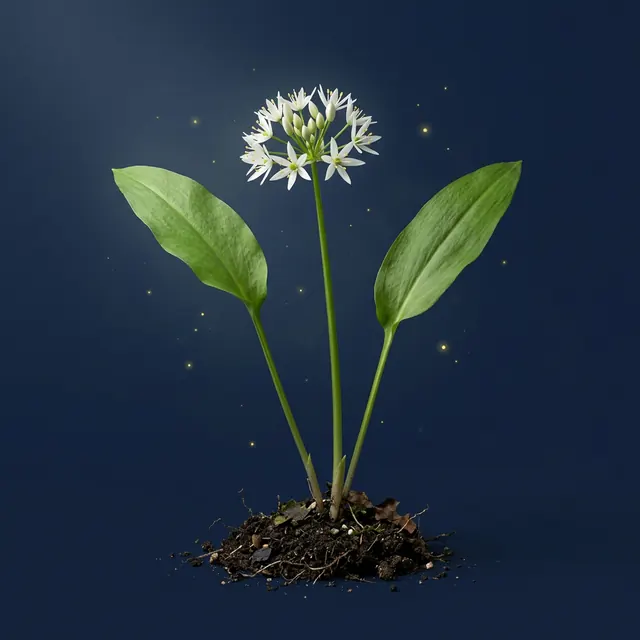
Ramsons
Allium ursinum L.
Polish folk names: trzemucha, babczy czosnek, babny czosnek, psi czosnek
Traditional use
No EMA monograph. In folk medicine used as an herb to aid digestion, for colds, and externally for wounds and skin conditions. Laboratory and animal studies indicate, among other things, inhibition of platelet aggregation, but there are no strong clinical studies. Use it mainly as a vegetable.
What it looks like
Plant 20–50 cm tall, growing in carpets in damp deciduous forests. Usually 2 elliptic-lanceolate, thin, lush green leaves on long stalks, each growing separately from the ground. A three-angled, leafless scape with a flat umbel of white, star-shaped flowers with 6 tepals. The whole plant smells strongly of garlic.
Harvest
Gathered: leaf, herb (aerial parts), bulb.
When: March – May.
Form: kitchen (fresh leaves, pesto), leaves in oil.
Lookalikes
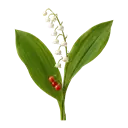
- lily of the valley - leaves grow 2 from one sheath, stiffer, without a garlic smell; deadly poisonous
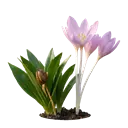
- meadow saffron (autumn crocus) - in spring a clump of broad, glossy leaves without leaf stalks, without a garlic smell; deadly poisonous
- white false hellebore - pleated leaves, arranged alternately on the stem; very poisonous
- lords-and-ladies (Arum maculatum) and tulips - similar leaves, without a garlic smell; poisonous
The information is educational and describes traditional use according to EMA/HMPC monographs (the European Medicines Agency and its Committee on Herbal Medicinal Products).It does not replace the advice of a doctor or pharmacist. Never eat a plant you are not 100% sure you recognise.