

Cumin
Cuminum cyminum L.
Polish folk names: kumin, kmin, kmin egipski, kmin pluskwi
Traditional use
A spice of Indian, Middle Eastern and Mexican cuisine (curry, falafel, chilli). In the folk medicine of many countries it was regarded as an aid to digestion and a carminative. There are no strong clinical studies and no EMA monograph.
What it looks like
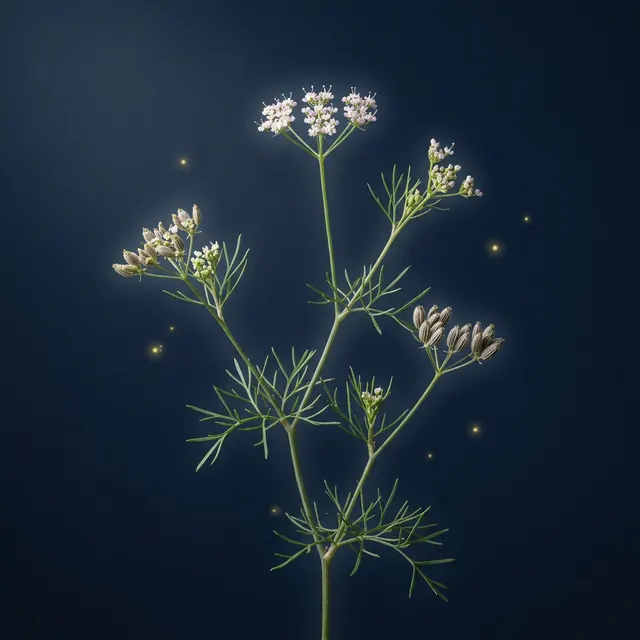
Annual plant of the carrot family, 30–50 cm. Leaves pinnate, with thread-like segments. Small white or pink flowers in small compound umbels. Fruits elongated, about 4–5 mm, ribbed, greyish-brown, with tiny bristles, with a strong, warm scent.
Harvest
Gathered: fruit (schizocarp).
Form: spice.
Lookalikes
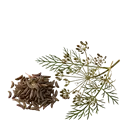
- Caraway (Carum carvi): fruits darker, sickle-curved, bread-like scent – harmless, but the taste is completely different
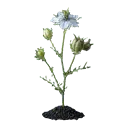
- Black cumin (Nigella sativa): black, angular seeds – a different plant
The information is educational and describes traditional use according to EMA/HMPC monographs (the European Medicines Agency and its Committee on Herbal Medicinal Products).It does not replace the advice of a doctor or pharmacist. Never eat a plant you are not 100% sure you recognise.