

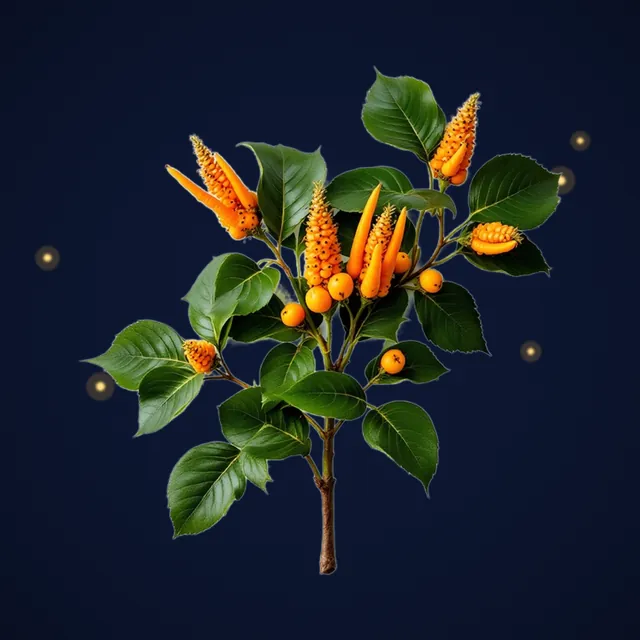
Kawakawa
Piper excelsum G.Forst. (syn. Macropiper excelsum)
Polish folk names: pieprz maoryski, kawakawa
Traditional use
[TRADITION] Kawakawa is one of the most important herbs of rongoā Māori. A leaf infusion was drunk for stomach ache, a leaf was chewed for toothache, and poultices and steam baths were used on the skin, bruises and joint pain. The leaves slightly numb the tongue. Despite the similar name, it is not kava: kawakawa is not intoxicating. There are no clinical studies.
What it looks like
A shrub or small tree up to 6 m with dark shoots with swollen joints. Leaves heart-shaped, 5–10 cm, usually riddled with holes by caterpillars. The inflorescences are erect spikes; the female ones ripen to orange.
Harvest
Gathered: leaves.
Form: infusion, compress, chewing the leaf (tradition).
Lookalikes
- kava (Piper methysticum) – a close relative from the Pacific with an intoxicating effect; a different use and a different risk
The information is educational and describes traditional use according to EMA/HMPC monographs (the European Medicines Agency and its Committee on Herbal Medicinal Products).It does not replace the advice of a doctor or pharmacist. Never eat a plant you are not 100% sure you recognise.