

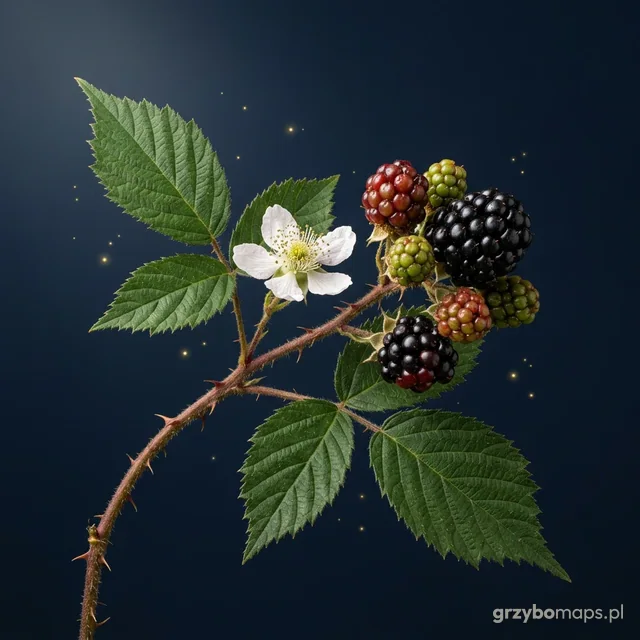
Blackberry
Rubus fruticosus agg.
Polish folk names: ożyna, jeżyna krzewiasta
Traditional use
The German Commission E described blackberry leaf for non-specific acute diarrhoea and, externally, for mild inflammations of the mouth and throat. It has an astringent effect thanks to tannins (5–14%).
What it looks like
A thorny shrub with arching shoots that often root. Leaves palmately compound of 3–5 serrated leaflets, flowers white or pinkish. Fruits black, shiny, they do not come away from the receptacle.
Harvest
Gathered: leaf.
When: May – June.
Form: infusion, rinse.
Lookalikes
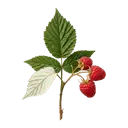
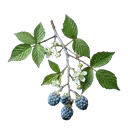
The information is educational and describes traditional use according to EMA/HMPC monographs (the European Medicines Agency and its Committee on Herbal Medicinal Products).It does not replace the advice of a doctor or pharmacist. Never eat a plant you are not 100% sure you recognise.