

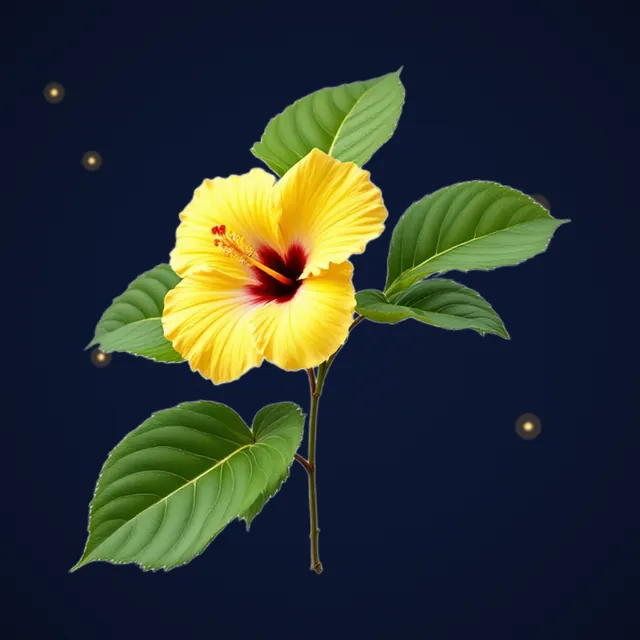
Hau
Hibiscus tiliaceus L. (syn. Talipariti tiliaceum)
Polish folk names: hibiskus nadmorski, hau, purau
Traditional use
[TRADITION] In Hawaiian healing, lāʻau lapaʻau, the mucilaginous sap of the bark and buds of hau was given as a mild laxative, also to children, and for a dry throat. Ropes and nets were twisted from the strong bast, and the light wood served as floats for canoes. There are no clinical studies.
What it looks like
A spreading coastal tree 4–10 m tall with tangled boughs. Leaves roundish heart-shaped like those of a linden, pale and felty underneath. The yellow flower with a dark red centre lasts one day: by evening it turns orange and then red.
Harvest
Gathered: bark (bast and mucilage), flower buds.
Form: macerate of the bark mucilage (tradition), fibre.
Lookalikes
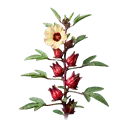
- roselle (hibiscus for tea) – red calyces, a different plant
- linden – similar leaves, but a tree of our climate with small flowers
The information is educational and describes traditional use according to EMA/HMPC monographs (the European Medicines Agency and its Committee on Herbal Medicinal Products).It does not replace the advice of a doctor or pharmacist. Never eat a plant you are not 100% sure you recognise.