

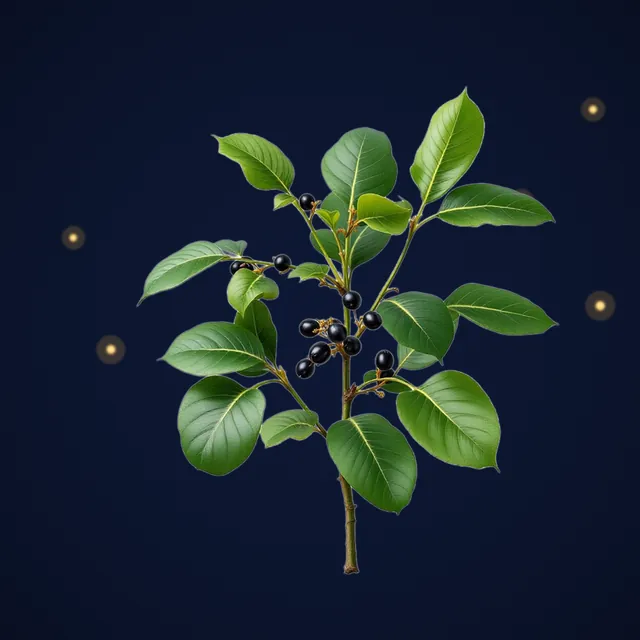
Camphor tree
Cinnamomum camphora (L.) J.Presl (syn. Camphora officinarum Nees)
Polish folk names: drzewo kamforowe, kamforowiec, kamfora
Traditional use
Camphor was obtained by steam distillation of the wood. Camphor ointments and spirit are rubbed into the skin for muscle and joint pain and onto the chest for a cold: camphor warms, slightly numbs and gives the feeling of easier breathing. In old Chinese, Arabic and Ayurvedic recipes it was among the most precious fragrances.
What it looks like
An evergreen tree up to 20–30 m with a massive trunk and deeply cracked bark. Leaves glossy, egg-shaped, with three veins from the base; when crushed they smell of camphor. Flowers small, greenish-white. Fruits are black berries the size of a pea.
Harvest
Gathered: camphor from the wood (today usually synthetic).
Form: camphor ointment and spirit (externally).
Lookalikes
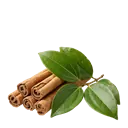
- Ceylon cinnamon tree – cinnamon comes from its bark; it smells completely different
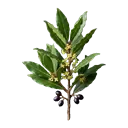
- bay laurel – bay leaves have one main vein, not three
The information is educational and describes traditional use according to EMA/HMPC monographs (the European Medicines Agency and its Committee on Herbal Medicinal Products).It does not replace the advice of a doctor or pharmacist. Never eat a plant you are not 100% sure you recognise.