

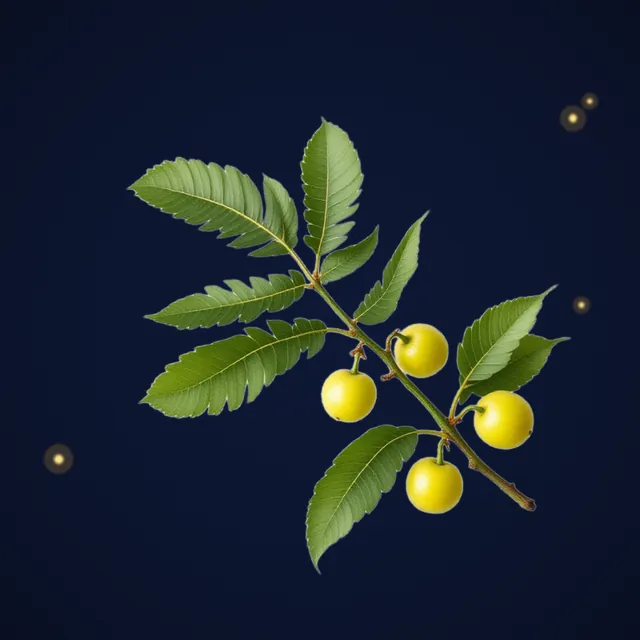
Amla
Phyllanthus emblica L. (syn. Emblica officinalis Gaertn.)
Polish folk names: agrest indyjski, amalaki, amla
Traditional use
[TRADITION] In Ayurveda the amla fruit is one of the three parts of the triphala powder (with haritaki and bibhitaki) and the main ingredient of chyavanprash jam. Tradition ascribes a “rejuvenating” effect to it. The fruits are very sour, rich in vitamin C and tannins, and in India they are eaten pickled and in preserves. Clinical studies are few and small.
What it looks like
A tree 8–18 m tall. Small, narrow leaflets sit densely in two rows on thin twigs that look like pinnate leaves. The fruit is spherical, light green, almost translucent, with six vertical grooves and a six-angled stone.
Harvest
Gathered: fruits.
Form: powder, fruit (food), infusion.
Lookalikes
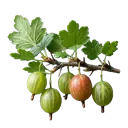
- gooseberry – despite the name “Indian gooseberry”, a completely different plant from our gardens
The information is educational and describes traditional use according to EMA/HMPC monographs (the European Medicines Agency and its Committee on Herbal Medicinal Products).It does not replace the advice of a doctor or pharmacist. Never eat a plant you are not 100% sure you recognise.