

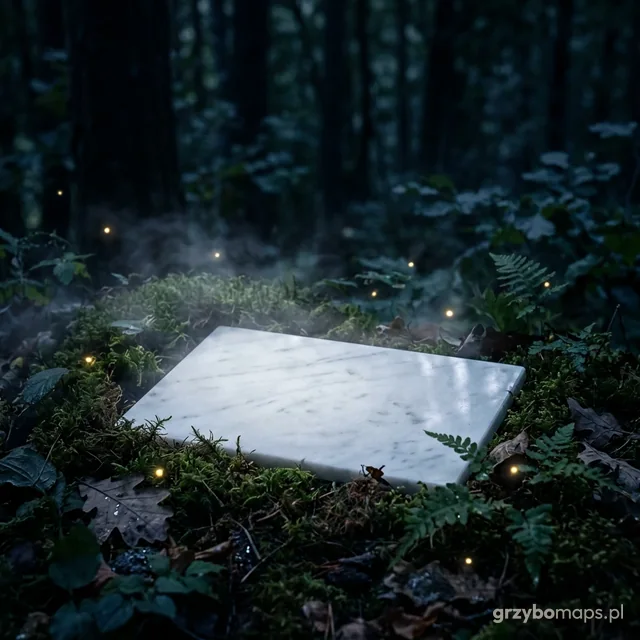
Marble
A metamorphic rock formed from recrystallised calcite or dolomite.
The most famous Polish marbles come from Lower Silesia and the Opole region. 'Biała Marianna' from Stronie Śląskie is named after Princess Marianne of Orange. The marbles of Sławniowice are quarried to this day.
What it is
A metamorphic rock formed from recrystallised calcite or dolomite.
How to recognise
- Granular, sugary on a broken surface, glittering little crystals.
- It fizzes in acid.
- A knife scratches it.
- Quartzite looks similar, but it is hard and does not react with acid.
How and where to look
On quarry dumps and in streams. The Geological and Mining Law (art. 4) does not cover collecting specimens of minerals, rocks and fossils for collecting, scientific and educational purposes, as long as it is done without mining works. Collecting minerals and fossils is prohibited in nature reserves and national parks (Nature Conservation Act, art. 15). On someone else's land, in a forest and in a quarry, you need permission from the owner, the forest district or the manager.
Known places in Poland
- Sławniowice (woj. opolskie): Working quarry; with the operator's permission.
- Kletno, marble quarries (woj. dolnośląskie): In the buffer zone of the Jaskinia Niedźwiedzia reserve; the cave formed in a lens of marble.
Meaning and legends
The interiors of Princess Marianne of Orange's palace in Kamieniec Ząbkowicki were made from 'Biała Marianna'.
Fun fact
The Bear Cave in Kletno (Jaskinia Niedźwiedzia) is hollowed out in marble, not in ordinary limestone.