

Poisonous plants
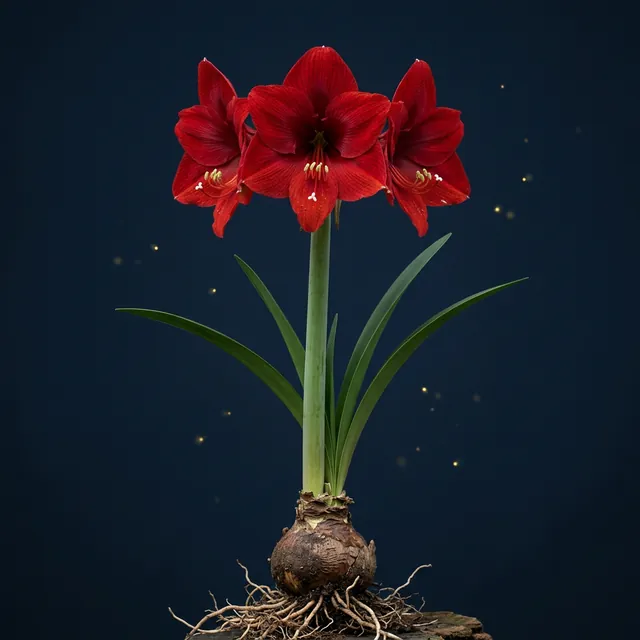
Amaryllis
Hippeastrum × hybridum hort.
Poisonous · do not pick
PoisonAlkaloids, mainly lycorine, in all parts, most in the bulb.Mylona zbelladonna lilyFolkamarylis
Polish folk names: amarylis, hippeastrum
Symptoms of poisoning
After eating a bulb: drooling, vomiting, diarrhoea, abdominal pain, weakness. After a large amount, a drop in blood pressure and tremors. Dogs and cats often chew bulbs lying around before planting.
What it looks like
A perennial from a large bulb, 40–70 cm. Leaves strap-like, often appearing after flowering. On a thick, hollow stem 2–6 huge, funnel-shaped flowers, red, white, pink or striped.
What it is sometimes confused with
- belladonna lily (Amaryllis belladonna) – rarely grown, also poisonous
- edible onion – an amaryllis bulb is large, brown and without an onion smell
The information is educational and describes traditional use according to EMA/HMPC monographs (the European Medicines Agency and its Committee on Herbal Medicinal Products).It does not replace the advice of a doctor or pharmacist. Never eat a plant you are not 100% sure you recognise.