

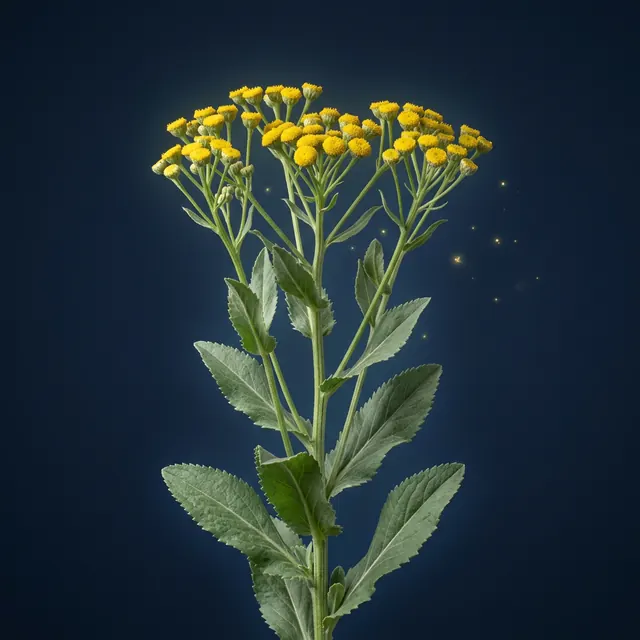
Costmary
Tanacetum balsamita L. (syn. Chrysanthemum balsamita (L.) Baill.)
Polish folk names: wrotycz bełżyna
Traditional use
Grown in herb gardens since the Middle Ages; the leaves flavoured beer (before hops replaced them), cakes and soups, and tea was brewed from the dried leaves. In folk medicine it was regarded as aiding digestion and mildly laxative, used for complaints of the liver and gall bladder, and externally as an ointment for burns and bites. Today in Europe it is almost forgotten, and in herbal medicine it is regarded as obsolete. There is no EMA monograph, and there are no clinical studies.
What it looks like
Perennial up to 2 m. Leaves large, oval, undivided, toothed, grey-green, with a strong smell reminiscent of mint and balsam. In summer, small, yellow, button-like flower heads gathered in loose corymbs.
Harvest
Gathered: leaf.
When: June – August.
Form: infusion, spice, ointment (formerly).
Lookalikes
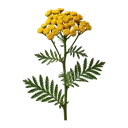
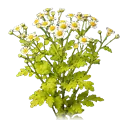
The information is educational and describes traditional use according to EMA/HMPC monographs (the European Medicines Agency and its Committee on Herbal Medicinal Products).It does not replace the advice of a doctor or pharmacist. Never eat a plant you are not 100% sure you recognise.