

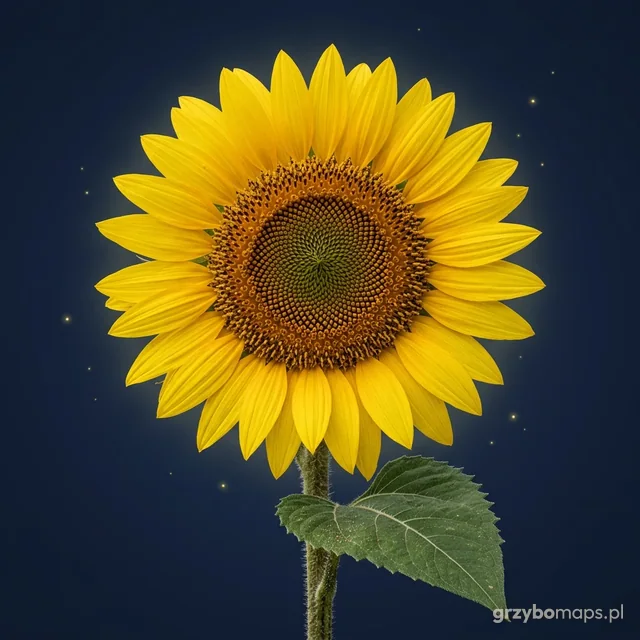
Sunflower
Helianthus annuus L.
Polish folk names: słonecznik
Traditional use
The raw material is the yellow ray florets from the edge of the flower head. Traditionally, infusions and extracts were used externally for minor skin injuries, bruises and contusions, and orally in the past for coughs and colds.
What it looks like
Annual, tall (1–3 m) plant with rough, heart-shaped leaves. An enormous flower head with yellow ray florets on the edge and brown tubular florets in the middle, which develop into seeds.
Harvest
Gathered: flower.
When: July – September.
Form: infusion, compress.
Lookalikes
- Jerusalem artichoke (sunroot): smaller, numerous flower heads, the plant forms tubers
- Coneflower (Rudbeckia): cone-shaped, dark centre of the flower head, rough, narrower leaves
The information is educational and describes traditional use according to EMA/HMPC monographs (the European Medicines Agency and its Committee on Herbal Medicinal Products).It does not replace the advice of a doctor or pharmacist. Never eat a plant you are not 100% sure you recognise.