

Rhododendron
Rhododendron spp. (m.in. R. catawbiense, R. ponticum)
Polish folk names: rododendron, azalia
Symptoms of poisoning
After eating leaves or flowers: drooling, burning in the mouth, vomiting, diarrhoea, weakness, dizziness, slowed heart rate and a drop in blood pressure. In animals, especially goats, sheep, horses and dogs, poisoning can be fatal. Honey from rhododendron nectar, the so-called mad honey from Turkey, causes similar symptoms in people.
What it looks like
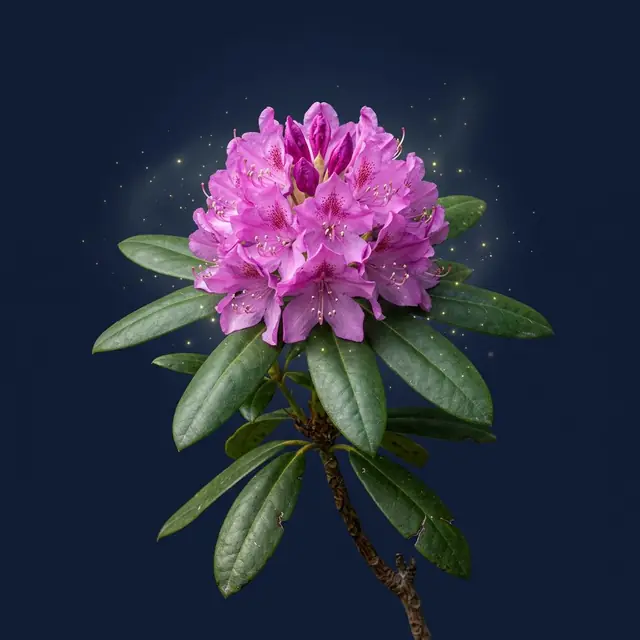
Evergreen shrub, 1–3 m. Leaves leathery, oblong-elliptic, dark green and glossy, rolling into tubes in frost. Flowers large, funnel-shaped, pink, purple, white or red, gathered in showy spherical clusters in May and June.
What it is sometimes confused with
- azaleas: these are rhododendrons too and are just as poisonous
- cherry laurel: another evergreen shrub with leathery leaves, also poisonous
The information is educational and describes traditional use according to EMA/HMPC monographs (the European Medicines Agency and its Committee on Herbal Medicinal Products).It does not replace the advice of a doctor or pharmacist. Never eat a plant you are not 100% sure you recognise.