

Stinging nettle
Urtica dioica L.
Polish folk names: koprywa, kropiewa, parzawica, pokrzywa parząca, pokrzywa wielka, pokrzywa dwupienna
Traditional use
Traditionally (EMA/HMPC, leaf) as an agent that increases the amount of urine to flush the urinary tract in minor complaints, and for mild joint pain.
What it looks like
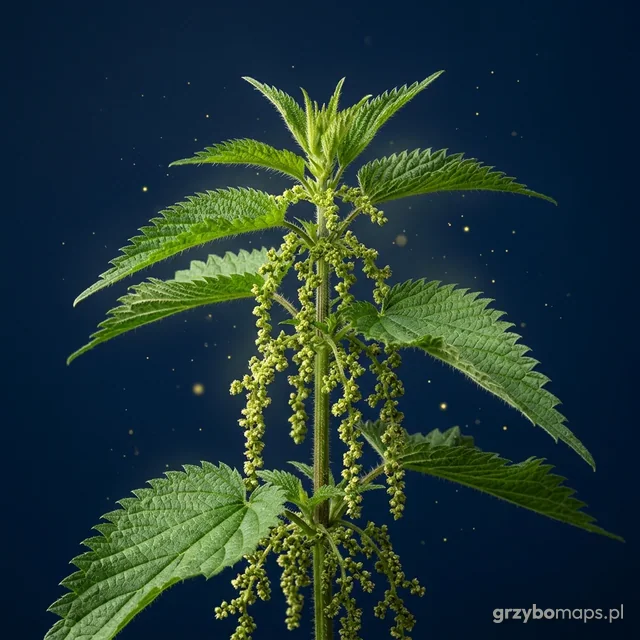
Leaves opposite, ovate-lanceolate with a heart-shaped base and coarsely serrated margin, covered with stinging hairs. Small green flowers in drooping panicle-like spikes from the leaf axils.
Harvest
Gathered: leaf, herb (aerial parts), root.
When: May – September.
Form: infusion, juice from fresh leaves, zupa/kitchen.
Lookalikes
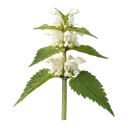
- white dead-nettle – doesn't sting, has white lipped flowers; harmless
The information is educational and describes traditional use according to EMA/HMPC monographs (the European Medicines Agency and its Committee on Herbal Medicinal Products).It does not replace the advice of a doctor or pharmacist. Never eat a plant you are not 100% sure you recognise.