

Bracken
Pteridium aquilinum (L.) Kuhn
Polish folk names: orlica, paproć orlica, orlik
Symptoms of poisoning
A handful eaten once usually causes no acute symptoms; eating it often is dangerous. In humans it is linked to an increased risk of stomach and oesophageal cancer. In cattle and horses that eat it, it causes blood in the urine, bleeding and symptoms of vitamin B1 deficiency.
What it looks like
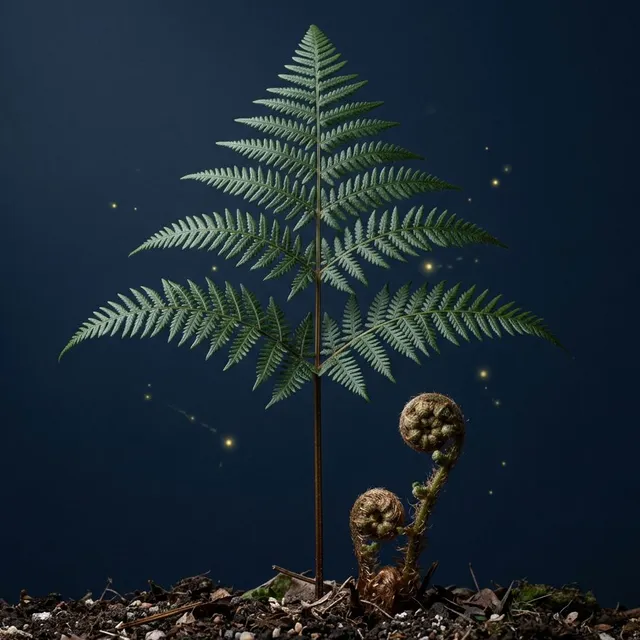
Large fern 0.5–2 m tall, and even taller in good conditions. Fronds grow singly from a long underground rhizome, with a stiff, straight stalk and a triangular blade, two or three times pinnate. Young fronds in spring are rolled up like a crozier. When the stalk is cut at the base, a pattern resembling an eagle can be seen, hence the name. In autumn the fronds turn brown.
What it is sometimes confused with
- ostrich fern – the young coiled leaves (“fiddleheads”) are sometimes gathered for food; easy to confuse with bracken
- male fern and lady fern – other forest ferns, whose fronds grow in a tuft from one point and not singly
The information is educational and describes traditional use according to EMA/HMPC monographs (the European Medicines Agency and its Committee on Herbal Medicinal Products).It does not replace the advice of a doctor or pharmacist. Never eat a plant you are not 100% sure you recognise.