

Chaste tree
Vitex agnus-castus L.
Polish folk names: niepokalanek mnisi, niepokalanek zwyczajny, pieprz mnisi, Agni casti fructus
Traditional use
According to EMA/HMPC, one specific dry extract of the fruit has a documented effect (well-established use) in the treatment of premenstrual syndrome – in a study with 178 women it worked better than placebo; it is used for up to 3 months. Traditionally (EMA/HMPC), other fruit preparations relieve minor complaints in the days before menstruation. It probably acts via the pituitary gland, reducing the secretion of prolactin. The medieval name “monk’s pepper” is linked to the belief that it suppresses the sex drive.
What it looks like
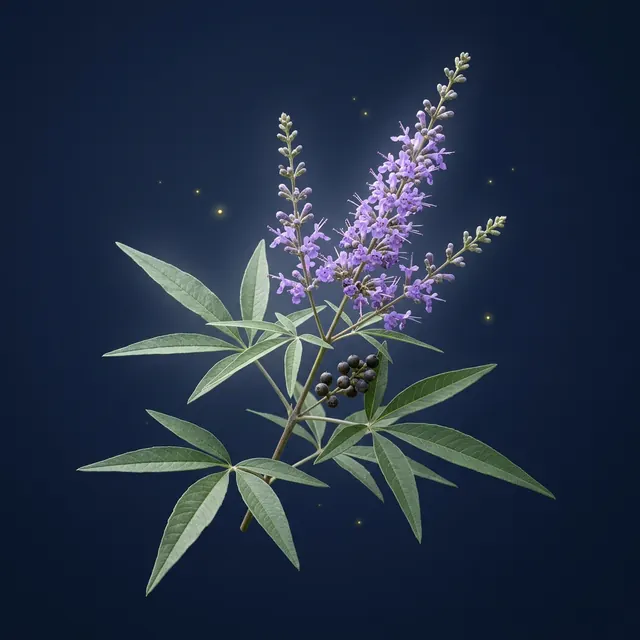
Aromatic shrub, 1–5 m, from the Mediterranean region; it does not grow wild in Poland but is sometimes cultivated. Leaves opposite, palmately compound with 5–7 narrow, lanceolate leaflets, greyish beneath. Small lilac to violet lipped flowers in long, slender spikes at the tips of the shoots in summer. Fruits round, up to 5 mm, reddish-brown to black, two-thirds enclosed by the grey-green calyx, peppery-sharp in taste.
Harvest
Gathered: fruit.
Form: ready-made preparation (dry extract), tincture (ready-made).
Lookalikes
- butterfly bush (Buddleja davidii) – also purple spikes in gardens, but the leaves are simple, lanceolate
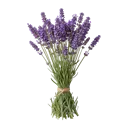
- lavender – purple spikes, but a low subshrub with narrow, grey leaves
The information is educational and describes traditional use according to EMA/HMPC monographs (the European Medicines Agency and its Committee on Herbal Medicinal Products).It does not replace the advice of a doctor or pharmacist. Never eat a plant you are not 100% sure you recognise.