

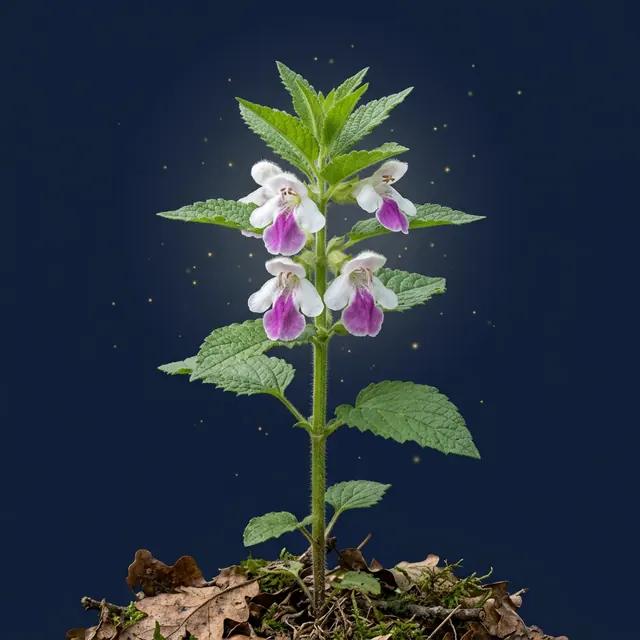
Bastard balm
Melittis melissophyllum L.
Polish folk names: miodownik, melisa leśna
Traditional use
In folk medicine the herb was regarded as mildly calming, diuretic and astringent, and was also applied to wounds. It smells of coumarin like woodruff and was used to flavour drinks; it is already mentioned in Czerniecki's 17th-century “Compendium ferculorum”. There is no EMA monograph, and there are no clinical studies.
What it looks like
Hairy, aromatic perennial 30–50 cm tall with a four-angled, unbranched stem. Leaves opposite, ovate, crenate. Large, showy, two-lipped flowers, white, pink or white with a purple spot on the lower lip, several together in the axils of the upper leaves. Grows in light, warm deciduous woods.
Harvest
Gathered: herb (only from garden cultivation).
When: May – July.
Form: infusion, additive to drinks (like woodruff).
Lookalikes
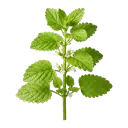
- lemon balm – small whitish flowers, lemon scent; harmless
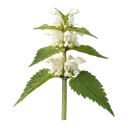
- white dead-nettle and spotted dead-nettle – smaller flowers in whorls; harmless
The information is educational and describes traditional use according to EMA/HMPC monographs (the European Medicines Agency and its Committee on Herbal Medicinal Products).It does not replace the advice of a doctor or pharmacist. Never eat a plant you are not 100% sure you recognise.