

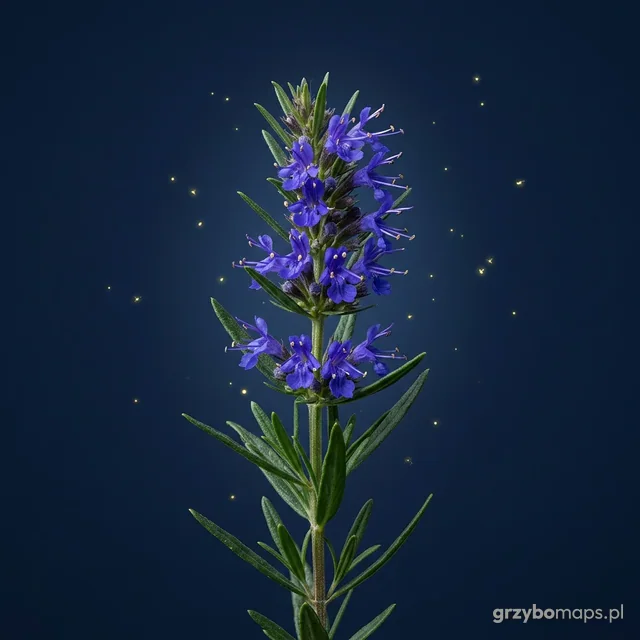
Hyssop
Hyssopus officinalis L.
Polish folk names: józefek
Traditional use
In traditional herbal medicine it was used for cough, catarrh of the respiratory tract and sore throat, and for digestive complaints. There is no EMA monograph; Commission E – negative assessment. There are no clinical studies confirming these uses.
What it looks like
Subshrub 30–60 cm tall with erect stems that are woody at the base. Leaves narrow, lanceolate, dark green. Blue-violet (more rarely pink or white) flowers in one-sided, spike-like inflorescences.
Harvest
Gathered: flowering herb.
When: July – August.
Form: infusion.
Lookalikes
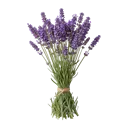
- Lavender: greyer, felty leaves, flowers on long leafless shoots; hyssop has flowers in leafy, one-sided spikes
The information is educational and describes traditional use according to EMA/HMPC monographs (the European Medicines Agency and its Committee on Herbal Medicinal Products).It does not replace the advice of a doctor or pharmacist. Never eat a plant you are not 100% sure you recognise.