

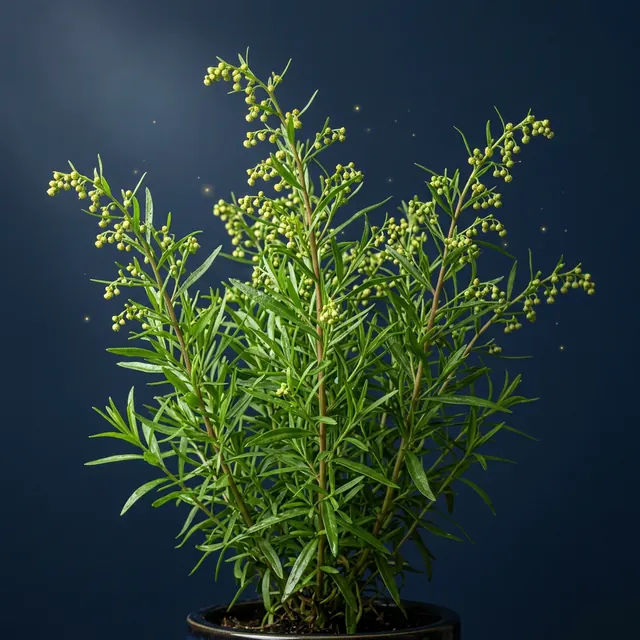
Tarragon
Artemisia dracunculus L.
Polish folk names: bylica estragon, estragon zwyczajny, estragon
Traditional use
No EMA monograph. Above all a spice (vinegars, mustard, pickles, salt-free diet). In herbal medicine mildly diuretic and stimulating the secretion of digestive juices, for lack of appetite; the effect is weak, usually in mixtures. No clinical studies.
What it looks like
Glabrous, light green perennial, 20–150 cm tall, with stolons. Leaves sessile, linear-lanceolate, entire, 2–8 cm. Tiny, globose, drooping flower heads 2–4 mm across, greenish-yellow, in panicles. The crushed herb has a strong scent.
Harvest
Gathered: herb (aerial parts).
When: June – September.
Form: kitchen, infusion.
Lookalikes
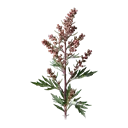
The information is educational and describes traditional use according to EMA/HMPC monographs (the European Medicines Agency and its Committee on Herbal Medicinal Products).It does not replace the advice of a doctor or pharmacist. Never eat a plant you are not 100% sure you recognise.