

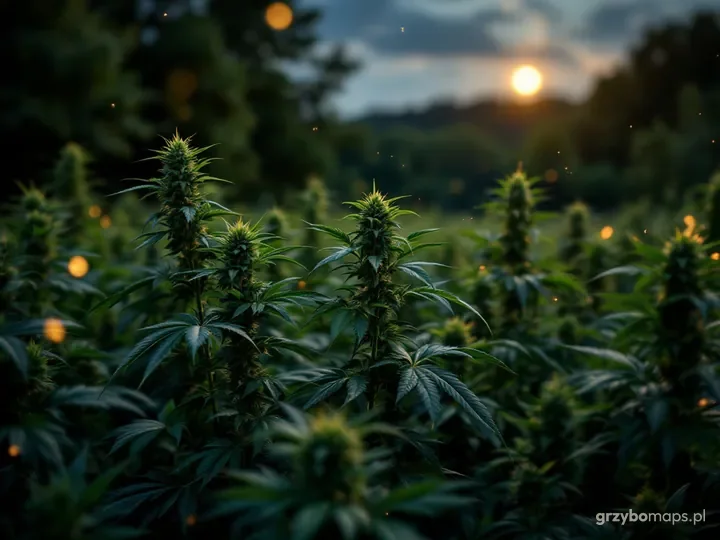
THC and cannabinoids
substancje konopi
THC is the main intoxicating substance of cannabis. It acts on the system that regulates mood, memory and sleep in the brain. It is addictive less often than nicotine, but for some people it is, and withdrawal can be overcome.
Poisoning? Call 112. Poison control centres: Kraków 12 64 68 550, Gdańsk 58 682 04 04.
Where it occurs
- Cannabis: resin of the female flower clusters
How it acts on the body
The brain has its own system of similar substances (endocannabinoids) that calms and balances signals: mood, appetite, pain, sleep, memory. THC switches it on harder and for longer than the brain does itself.
Hence relaxation, a changed sense of time, bigger appetite, but also worse short-term memory and slower reactions. In some people THC causes anxiety and palpitations, and in susceptible people also psychosis.
With daily use the brain gets used to it. After a break, for several days it lacks this support and withdrawal symptoms appear.
Symptoms
- too much: a few hours: Anxiety and panic, palpitations, dizziness, sometimes hallucinations. After eating, the effect comes late and lasts long, so it is easy to overdo it.
- dzieci: After eating cookies or gummies with THC: drowsiness, unsteadiness, even coma. This is always a matter for a doctor.
- after stopping: day 1–3: Irritability, restlessness, trouble falling asleep, loss of appetite, vivid dreams.
- after 1–2 weeks: Most symptoms pass. Sleep takes the longest to return to normal, sometimes within a month.
What to do
- A child ate something with THC: call 112 or a poison control centre.
- An adult is having a panic attack: stay, speak calmly, take them to a quiet place. Chest pain, convulsions or fainting: 112.
- Persistent vomiting after long-term smoking: see a doctor.
What not to do
- Do not drive after cannabis.
- Do not combine with alcohol.
- Do not leave edible THC products where children can reach them.
What doctors do
There is no antidote. Doctors calm the person, monitor the heart and breathing, and in children observe them until the symptoms subside.
How to quit
Cannabis addiction develops in roughly one in ten people who use it, and more often when it starts in the teenage years. Withdrawal symptoms are unpleasant but not life-threatening.
- Decide: all at once or gradually: You can stop from one day to the next, or gradually reduce the amount over 1–2 weeks. What matters is to choose one path and write it down.
- Take care of your sleep: The first nights can be hard. A regular bedtime, exercise during the day, no caffeine in the evening and a phone switched off help.
- Remove the opportunities: Get rid of supplies and equipment. For a while, limit gatherings where people smoke.
- Talk to a specialist: Talks with an addiction therapist work best, e.g. cognitive behavioural therapy. You do not need a referral at an addiction treatment clinic.
- A slip is not the end: One joint does not cancel everything. Think about what led to it, and get back to the plan.
Where to look for help in Poland
- Addiction treatment clinic (NFZ): 800 190 590 (NFZ helpline, around the clock). You don't need a referral to go to an addiction treatment clinic, and it is free of charge. The NFZ helpline will tell you the address of the nearest one.
- Helpline: addictions: 800 199 990 (every day 4–9 pm, free of charge). A conversation and addresses of clinics for people with addictions and their loved ones, regardless of the substance.
- Crisis Support Centre: 800 70 2222 (around the clock, free of charge). When things are very bad and you don't know who to turn to.
Myths and facts
- Myth: You cannot get addicted to cannabis. Fact: False. Roughly one in ten users becomes addicted, more often those who started as teenagers.
- Myth: Cannabis always causes schizophrenia. Fact: False. The risk of psychosis rises with frequent use of strong THC, especially in young people and those with a family history, but most users do not get it.
- Myth: CBD intoxicates the same as THC. Fact: False. CBD does not cause intoxication. In Poland, CBD products are legal if they contain less than 0.3% THC.
Good to know
Medical marijuana is available in Poland at a pharmacy on prescription, e.g. for chronic pain and some forms of epilepsy. Possessing cannabis without a prescription is a crime.